Tokyo 1 Day Itinerary (2026): Asakusa & Shibuya Safety Tips

The all-in-one Japanese learning app
From travel phrases to real fluency — all in one app.
All 2,136 standard kanji included. Every feature is free to use.
A safety-first Tokyo 1 day itinerary: beat Asakusa crowds, reset at a hidden garden, then enjoy Shibuya smartly.
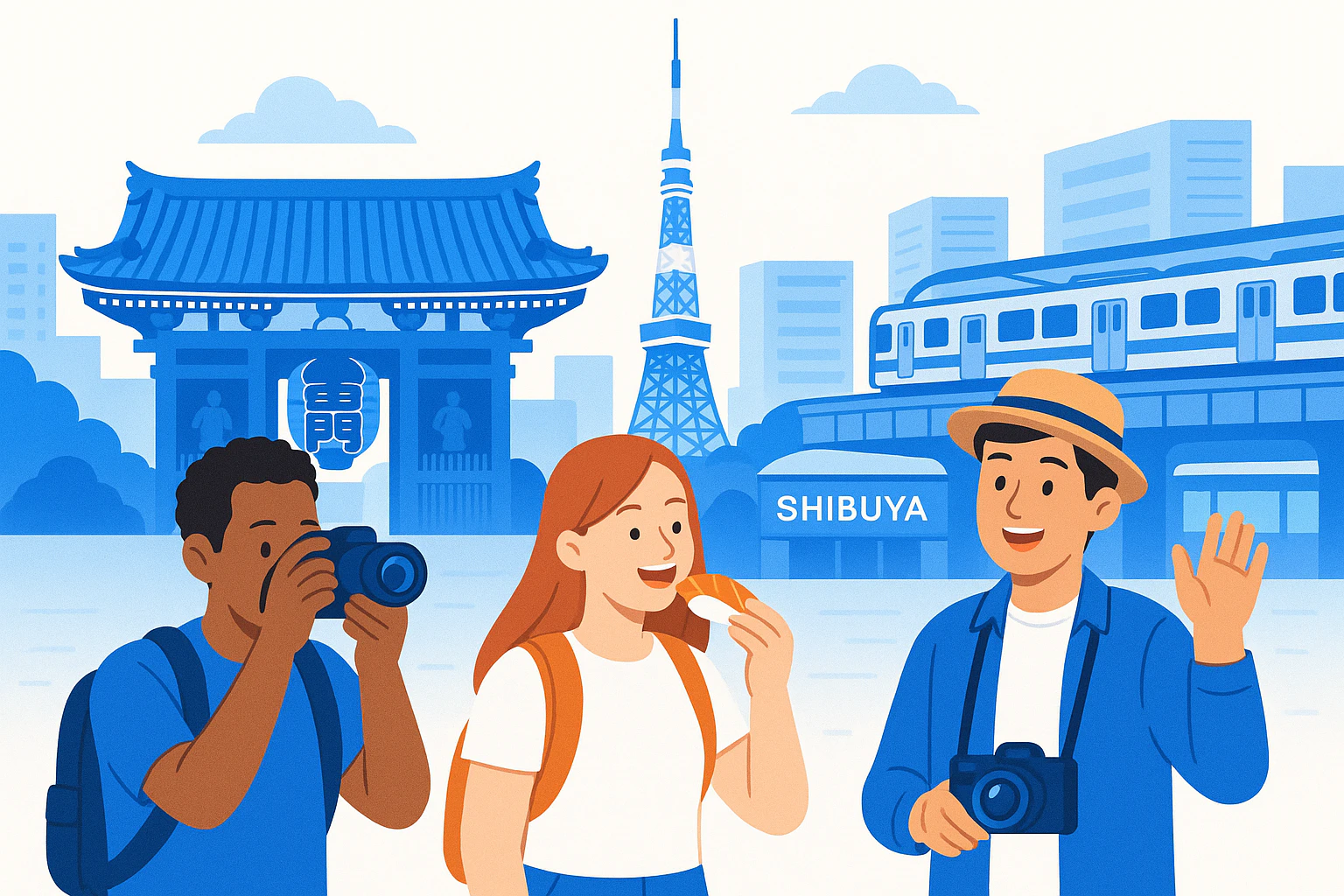
Most “Tokyo 1 day itinerary” guides focus on landmarks and forget the real-life stuff that can ruin a short trip: overcrowding (especially in Asakusa) and small safety issues (pickpockets, nightlife rules, and finding help quickly).
This 2026 route is built for tourists with limited time who want a practical, low-stress day: Asakusa early (before the peak crush) → a quiet hidden reset spot (穴場) → Shibuya at night (with clear rules and a “what to do if something happens” plan).
Today’s route (easy to follow):
Asakusa (early morning) → Kiyosumi Gardens (quiet reset) → Shibuya (sunset/night)
Budget: about ¥6,000–¥12,000 per person (depends on Shibuya Sky and how much you shop/eat)
Safety-First Tokyo Prep (5 minutes)
Do this once in your hotel (or on the train) and your whole day runs smoother. In Tokyo, being prepared is less about “danger” and more about getting help fast and avoiding preventable problems.
Screenshot this: Tokyo emergency numbers + “what to say”
Emergency plan (screenshot this):
- Police (crime, threat, accident): 110 (nationwide)
- Ambulance / Fire: 119 (nationwide)
- Japan Visitor Hotline (24/7): 050-3816-2787 (tourist help in emergencies and general info) via JNTO’s official emergency FAQ
- If you can’t explain in Japanese: say “English, please” and your location (show your map). JNTO also recommends Japan Visitor Hotline as a backup channel.
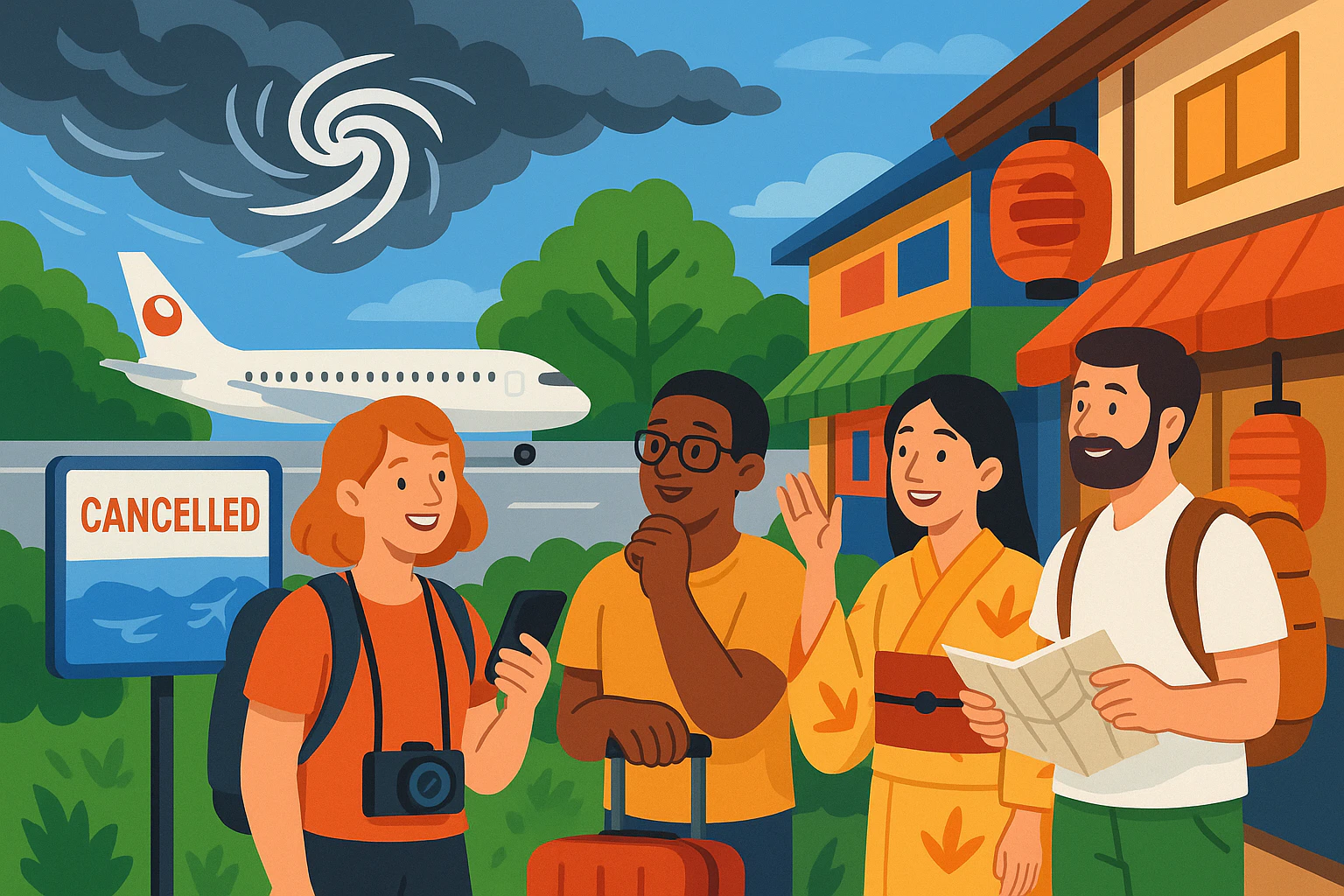
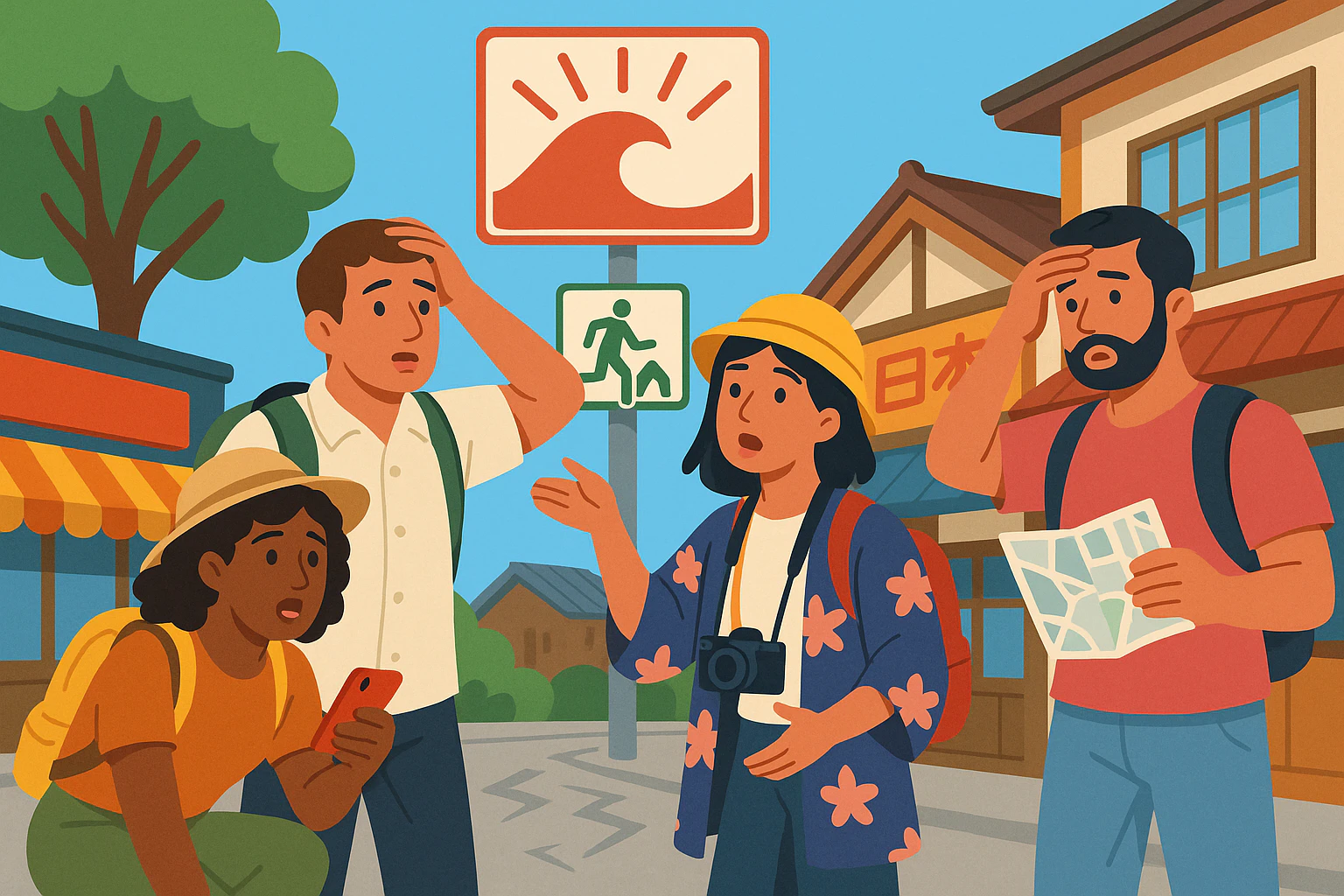
Disaster info (typhoon/earthquake): JNTO recommends Japan Safe Travel Information and the Safety Tips app.
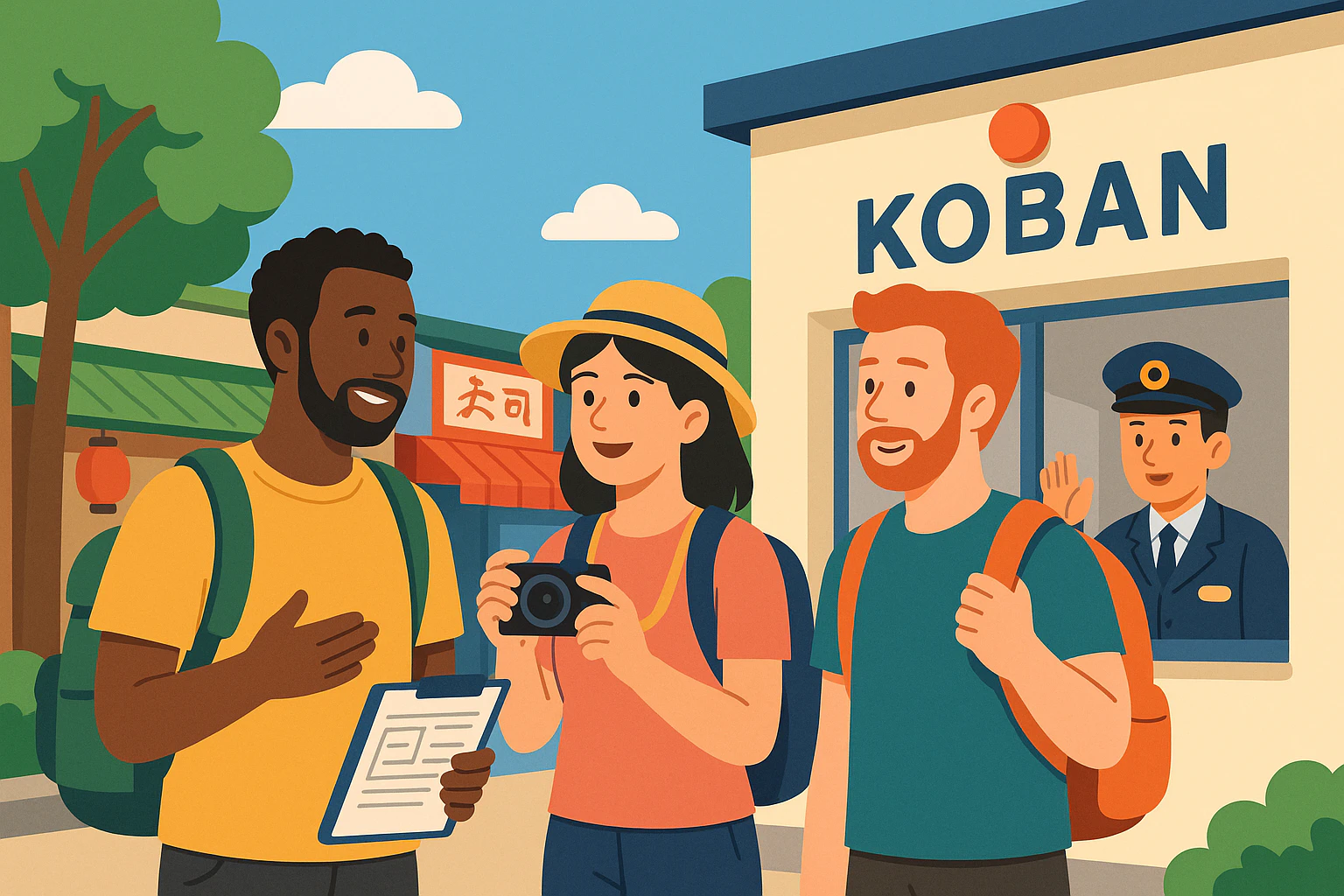
Know what a “koban” is (and why tourists should actually use it)
A koban is a local police box—common near stations and major intersections. They’re designed for everyday help like directions, reporting small incidents, and lost property, not only serious crime.
If you’re unsure where the nearest one is, search “koban” in Google Maps. For background, Nippon.com’s explainer on the koban system describes them as neighborhood contact points that also assist pedestrians.
What to carry (and what not to carry)
- Passport: Tokyo Metropolitan Police explicitly states you must carry your passport or residence card whenever you go out and present it if police ask. See the Tokyo Metropolitan Police guidance.
- Carry less “loose” cash: keep a daily wallet (small bills + one card) and store the rest in your hotel.
- IC card or ticket plan: if you’ll take several subway rides today, consider the Tokyo Subway Ticket (24 hours: adult ¥800) covering Tokyo Metro + Toei Subway.
- Portable battery and an offline map download (so you can navigate even if data is slow in crowds).
Morning Asakusa: Senso-ji + Nakamise Without Peak Crowds
Asakusa sightseeing is iconic, but it’s also one of the easiest places in Tokyo to feel overwhelmed. The trick is simple: go early, finish your main photos early, and leave before the peak.
Why timing matters in Asakusa (official overcrowding note)
Taito City has published guidance noting that congestion in the Asakusa area varies heavily by date and time. Their analysis highlights that the busiest window tends to be 10:00–14:00, and they encourage more dispersed scheduling to reduce confusion and overtourism impacts. Their page was updated on February 1, 2026: Taito City: Asakusa area congestion guidance.
Best “beat-the-crowds” schedule (works year-round)
- 06:30–07:30 Arrive at Senso-ji grounds for calm photos (the grounds are accessible early; the Main Hall hours vary seasonally, but early morning is consistently quiet).
- 07:30–08:30 Coffee/breakfast on a side street (avoid getting stuck on Nakamise while hungry).
- 09:00–10:00 Nakamise shopping + snacks before the densest midday crowd.
- 10:00 Leave Asakusa before the 10:00–14:00 peak window gets intense.
Asakusa walking route (simple and photo-friendly)
Start at Kaminarimon Gate → walk up Nakamise-dori → pass through Hozomon Gate → reach the Main Hall. This is the classic approach and easiest for first-timers.
Cost: Senso-ji is generally free to enter; plan ¥300–¥1,500 for snacks and small souvenirs depending on what you buy.
Pickpocket-proofing in crowded Asakusa (official local guidance)
Tokyo is generally safe, but crowded tourist zones are where “small” theft happens. Taito City warns that bag-snatching, pickpocketing, and unattended-bag theft tend to occur in places like stations, parks, tourist areas, and festivals, and recommends keeping valuables on your body and being careful when putting bags down for photos. See: Taito City: anti-theft guidance.
- Use a crossbody bag with the zipper facing your body (not an open tote).
- Do not store your phone/wallet in a back pocket when you’re shoulder-to-shoulder.
- Photo moment rule: if you set a bag down “just for one photo,” put a foot through the strap or keep it against your leg.
Where to get help in Asakusa (fast, tourist-friendly)
If you need directions, translation support, or a calm place to regroup, the Asakusa Culture Tourist Information Center is directly across from Kaminarimon and offers multilingual support. Official listings show it is open 9:00–20:00, with the 8th floor observation terrace open until 22:00, and phone 03-3842-5566: Tokyo Tourist Information listing and Taito City cultural facilities listing.
Midday Hidden Tokyo Detour (穴場)
This is the part most itineraries skip. When Asakusa is packed, you need a quiet “reset” that is still easy to reach by subway—so you don’t burn time (or patience) before Shibuya.
Hidden spot choice: Kiyosumi Gardens (calm, inexpensive, easy to enter)
For Tokyo hidden spots that feel genuinely peaceful, Kiyosumi Gardens is a great midday break. It’s a traditional landscape garden in east Tokyo with a low entry fee and plenty of benches and slow paths.
- Hours: 9:00–17:00 (last entry 30 minutes before closing) per GO TOKYO’s listing for Kiyosumi Gardens
- Admission: ¥150 (general admission) per GO TOKYO
- Access: about 3 minutes on foot from Kiyosumi-Shirakawa Station (Toei Oedo Line / Tokyo Metro Hanzomon Line), per Tokyo Metropolitan Park Association access info
How to get there from Asakusa (easy subway transfer)
One straightforward route is: Asakusa Station → Toei Asakusa Line to Morishita → transfer to Toei Oedo Line for Kiyosumi-Shirakawa. If you’re using the Tokyo Subway Ticket, it covers both Tokyo Metro and Toei lines, which can simplify your day.
What to do here (60–90 minutes, low effort)
- Walk one slow loop around the pond and take a seated break (plan 45–60 minutes).
- Hydrate and reorganize your bag: put your passport back in the same secure pocket, re-check battery level, and confirm your Shibuya timed tickets (if any).
- Optional coffee stop in Kiyosumi-Shirakawa (the neighborhood is known for cafés, but you don’t need a reservation for a simple drink).
Optional safer indoor add-ons for 2026 (great for heat or rain)
If you’re traveling in spring 2026 and want a predictable indoor time slot, Fashion Press lists a Pixar immersive experience in Toyosu running March 20 to May 31, 2026 at CREVIA BASE Tokyo: Fashion Press event listing. The official event site also notes Tokyo opening on 20 March 2026: Mundo Pixar Experience (Tokyo).
Time Out Tokyo also reports the Edo-Tokyo Museum is set to reopen on March 31, 2026, which can be a good “controlled” museum slot if you want to avoid peak street crowds: Time Out Tokyo reopening article.
Evening Shibuya: Crowd Safety, Street-Drinking Rules, and Help Fast
Shibuya sightseeing at night is exciting—but it’s also where crowds, alcohol, and unfamiliar rules can create avoidable problems. A little planning makes it fun instead of chaotic.
Shibuya crowd-safety basics (especially around the Scramble)
- Pick a meetup point before you exit the station. In dense crowds, “I’ll find you near the crossing” is not specific enough.
- Crossing rule: walk with the flow, don’t stop for photos mid-crossing, and step fully onto the sidewalk before checking your phone.
- If you feel overwhelmed: move one block away from the station (crowd pressure drops fast) and reset.
Street-drinking rules in Shibuya (important for tourists)
Shibuya Ward has a nightly street-drinking ban around Shibuya Station from 6:00 p.m. to 5:00 a.m. every day. The year-round ban took effect on October 1, 2024, and reporting notes it has no penalties (so it relies on cooperation and patrol guidance). See: The Asahi Shimbun coverage and Nippon TV News 24.
- Practical takeaway: drink inside bars/izakaya, not on the street, and don’t carry an open can while wandering near the station at night.
- Avoid conflict: if patrol staff ask you to stop, just comply and move on—this is the fastest, safest outcome.
Shibuya Sky (optional): reservations, hours, and cost planning
If you want a “one big view” moment, Shibuya Sky is directly connected to Shibuya Station. GO TOKYO lists hours as 10:00 to 22:30 with last admission at 21:20: GO TOKYO: Shibuya Sky.
Tickets are timed-entry and pricing varies by time. For example, a Shibuya Sky official event page shows a general ticket price of ¥3,400 for entry after 15:00 via Webket (and higher via partner sites/window in that context): SHIBUYA SKY rooftop event page (ticket section). Because pricing and sales methods can change, treat any price you see online as a reference and check the official ticket page before you go.
Where to get help fast in Shibuya (when it’s late)
- Koban: search “koban” near Shibuya Station and walk in for help with directions or a report.
- Japan Visitor Hotline (24/7): 050-3816-2787 per JNTO.
- If you’re specifically at Shibuya Scramble Square / Shibuya Sky: Shibuya Scramble Square lists a Shibuya Sky phone number 03-4221-0229 (受付時間 10:00–20:00) on its contact page: Shibuya Scramble Square contact information.
Extra nighttime support (limited-time): Shibuya Night life Guide
Shibuya tourism stakeholders have also run a limited-time nighttime tourist information counter called “Shibuya Night life Guide”, with Japanese- and English-speaking staff, real-time event info, and help with problems/manners. A Shibukei report describes an example run in October 2025 (open 18:00–22:00, through October 13) and notes satellite desks at select hotels: Shibukei: Shibuya Night life Guide.
Important: It’s described as period-limited, so check whether it’s operating during your exact travel dates.
Need More Help? Ask on LO-PAL
If you want to customize this Tokyo 1 day itinerary to your exact hotel location, your travel style, or your safety comfort level, the fastest shortcut is to ask a local who’s actually on the ground.
On LO-PAL, you can post a question or request a task and connect with local Japanese helpers. We support multiple languages (including English, Chinese, Vietnamese, Portuguese, Korean, Nepali, Tagalog, Indonesian, and Spanish), so you can ask things like:
- “Which Asakusa streets are less crowded at 9 a.m. today?”
- “Can you recommend a calm café between Asakusa and Shibuya?”
- “I’m going out in Shibuya—what’s the safest way back to my hotel after the last train?”
- “Can someone help me call a place in Japanese if I lost something?”
Next step: open LO-PAL, post your plan (Asakusa → Kiyosumi → Shibuya), and we’ll help you adjust it for crowds, timing, and peace of mind.
Written by

Founder, LO-PAL
Former Medical Coordinator for Foreign Patients (Ministry of Health programme) and legal affairs professional. Built LO-PAL from firsthand experience navigating life abroad.
Written with partial AI assistance
Read full bio →